Cheap Reverb, Big Surprise? Putting the $50 Temu Rack to the Test
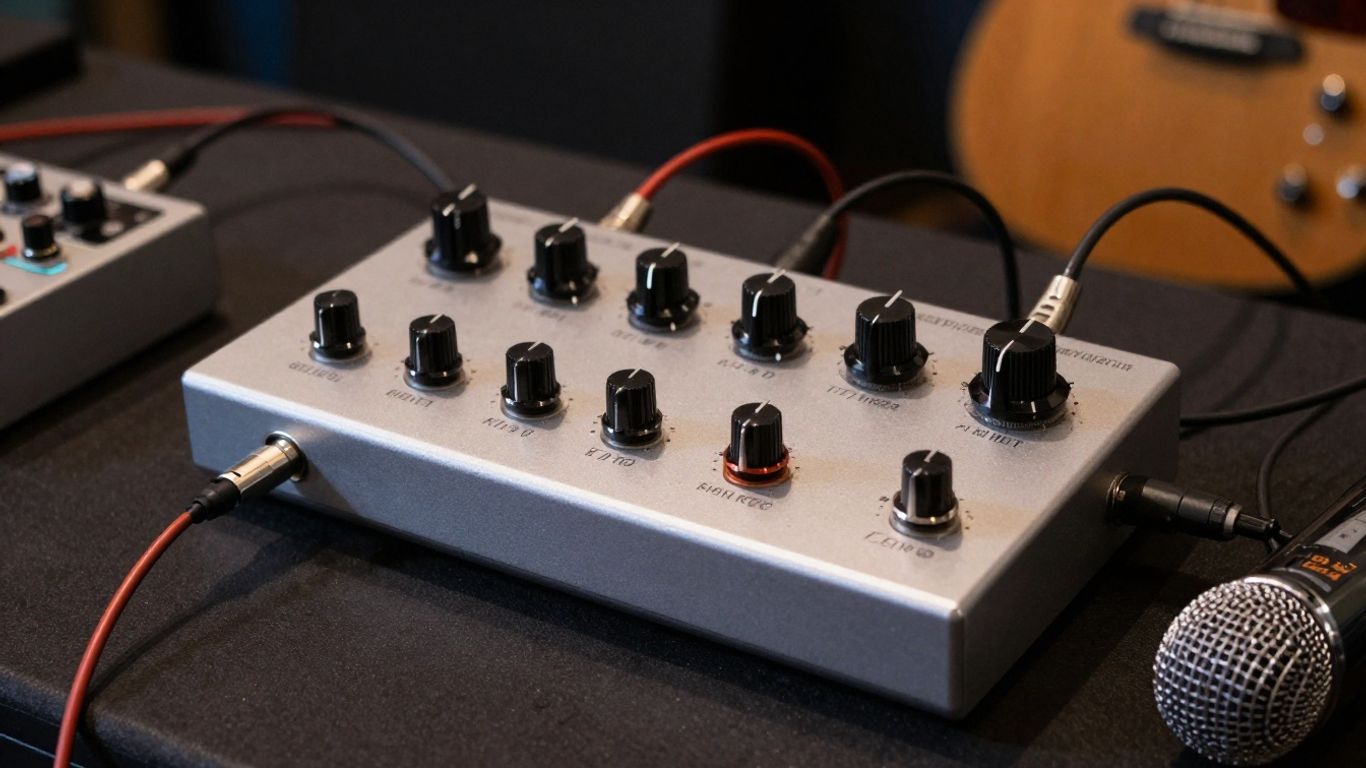
I just picked up a $50 rack-mounted digital reverb from Temu. Honestly, I wasn’t sure if I’d struck gold or just wasted a night tinkering. So, I ran it through its paces here at Paradise Studios—time to find out if good studio sounds really have to cost big bucks.
Key Takeaways
- Cheap reverb units can sometimes bring big surprises, but there may be trade-offs.
- Always test gear in a controlled session before rolling it into bigger projects.
- For the price, you might get usable results with a touch of vintage flavor (and quirks).
First Impressions: Unboxing & Setup
Pulling the Temu reverb unit out of its box, it was lighter than I expected—maybe just a couple of pounds. To be honest, even my wife was skeptical when she brought it in from the mailbox. I mean, is this really rack gear? But, hey, for $50, I don’t expect a tank.
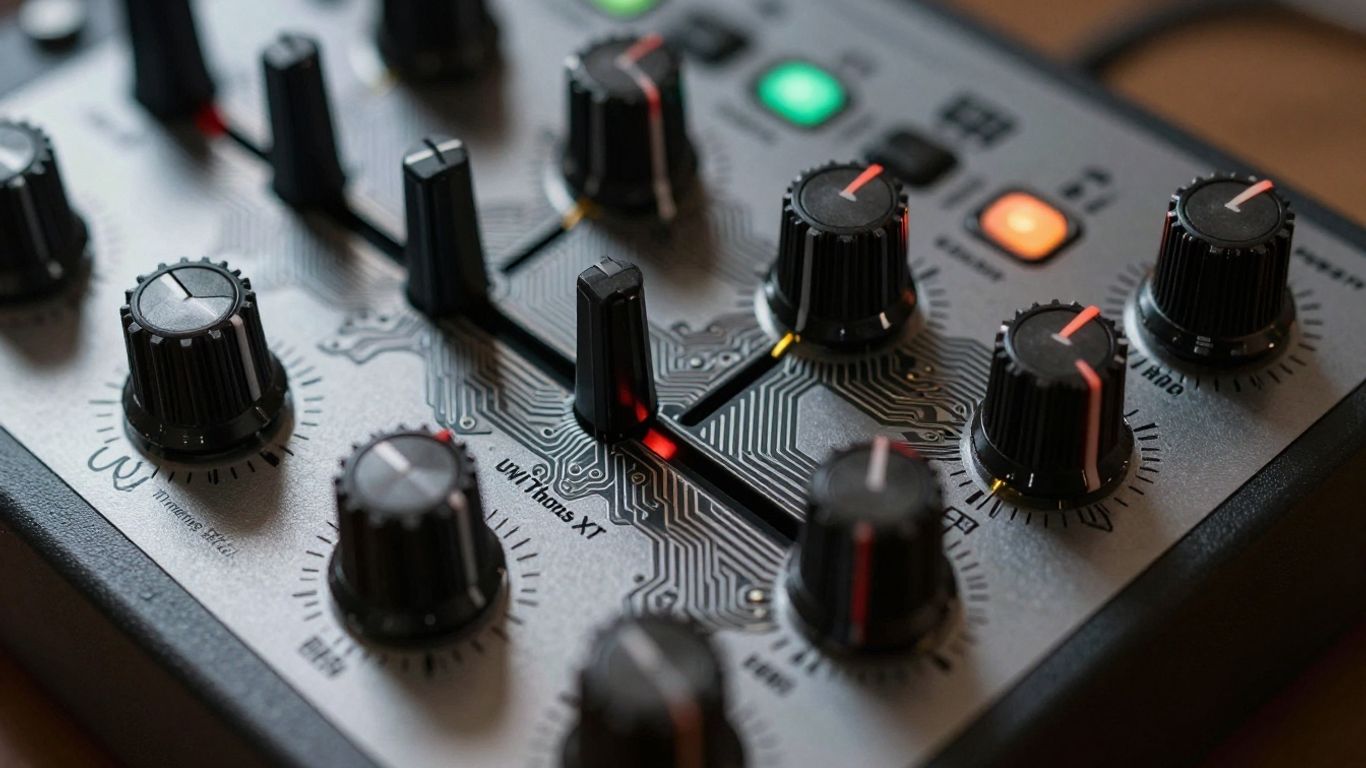
The manual was pretty bare-bones. It's called the Model M100, with about 100 preset effects inside—hall, plate, room, ambience, delays, chorus, flanger, and even a pitch shifter. You won’t get fancy branding, but all the core info was there. The physical controls were pretty simple: input, mix, output, and some edit buttons. There’s a little LED readout for presets. Connections are straightforward: stereo in and out, MIDI, and a foot switch.
Testing in the Studio: Setup Tips Anyone Can Use
Here at Paradise Studios, whether you’re running R&B vocals or tracking a pop hook, we keep things simple and direct. Here’s a basic vocal signal chain—the mix engineer’s staple:
- Input: Clean vocal recorded in a treated space.
- EQ: Remove any muddiness or harshness.
- Compression: Level out the peaks so things sit tight.
- De-essing: Keep sibilance under control.
- Effects: In this case, the Temu M100 reverb, patched in via a physical send and return.
- Mastering: Overall polish and loudness.
I set up the Temu reverb using hardware inserts on my interface. Instead of busing to a software plugin, I used a physical output and patched the return as a new track in my session.
If you’re new to outboard gear and you’re used to plugins, it goes like this:
- Signal Out: Route a send from your DAW to your interface’s output (say, Output 5).
- Hardware In: Patch that output into the hardware unit’s input.
- Hardware Out: Bring the hardware’s output back into your interface (e.g. Inputs 1/2).
- Track Setup: Create a stereo (or mono) return track for monitoring and mixing the effect alongside your dry audio.
Super simple—no need to overthink it.
The Sound: Funky, Flawed, or Fresh?
Time to play back some vocals. Right away, there’s a little bit of noise—almost like an old-school tape fizz—on some presets, especially as the reverb tails off. I tried lowering the output level, which got rid of some of the noise, but not all. Bit of a trade-off.
Surprisingly, some reverb presets actually sounded pretty good, even compared to my go-to Vahalla plugin. The Temu gave the vocals a little extra depth and space, and some settings had a nice width. Yes, there’s a certain lo-fi character—and not in a bad way, if that’s what you’re into.
Here's a quick head-to-head of key details:
| Feature | Temu M100 ($50) | Typical Plugin (e.g., Vahalla) |
|---|---|---|
| Presets | 100 | 20-50 |
| Noise | Noticeable on tails | Almost none |
| Character | Gritty, spacey | Clean, flexible |
| Physical Gear | Yes | No |
| Price | $50 | $100+ |
Any Dealbreakers?
Noise was the biggest con. Some presets just aren’t usable on clean vocals—the hiss is too much. The unit is so light it almost feels like a toy, but at least it didn't blow anything up. The interface is basic. You can twist a knob, scroll presets, and get started fast. Editing options are limited, though, so don’t expect a ton of fine-tuning.
Is it a studio workhorse? Maybe not. But if you want to experiment, try new flavors, or just don’t have hundreds to spend on effects, this box could absolutely find a place on your effects chain. It could even double for some quirky sound design work—try it on snares, guitars, or background vocals for texture.
The Verdict: Should You Go Cheap?
If you ever see a discount rack unit like this, there’s no harm in playing around, especially at this price. My advice: always A/B it against your favorite plugin to see if the quirks serve your song. For anything client-facing (like if you're paying for an $800/song mix & master), stick with what you know is tried and true unless you're chasing a really specific vibe.
Final verdict? Not disappointed. For the cost, it’s a vibey, weird box that’s actually fun and sometimes even inspiring. Just mind the noise and don’t expect miracles.
Send stems — $800/song mix & master in 1-2 weeks. And if you want a zero-fuss experience recording vocals, remember: at Paradise Studios, the gear, the team, and the booking are all included. Good times only.