EQ Like a Pro: The Physics Behind Your DAW
Ever wonder why some EQ moves just work while others make your mix sound thin or muddy? It's not magic, it's physics. This video breaks down the science behind equalization, explaining how frequencies interact with sound and how you can use that knowledge to make better mixing decisions in your Digital Audio Workstation (DAW). We're going to get a little technical, but don't worry, we'll keep it practical for indie producers.
Key Takeaways
- Understanding EQ is about understanding how sound waves behave.
- Different EQ types (shelving, parametric, graphic) affect frequencies differently.
- Phase is a big deal when EQing, especially with steep filters.
- Knowing the physics helps you avoid common EQ pitfalls.
What Is EQ, Really?
EQ, or equalization, is basically controlling the volume of specific frequencies in your audio. Think of it like a set of sliders for different parts of the sound spectrum. You've got your low-end rumble, your mids where the "body" of the sound lives, and your highs for air and clarity. When you boost or cut frequencies, you're changing the balance of these elements.
But it's not just about turning knobs. It's about how those adjustments affect the sound wave itself. Every sound is made up of different frequencies, and how they combine creates the sound we hear. EQ lets us shape that combination.
The Physics Of Sound Waves
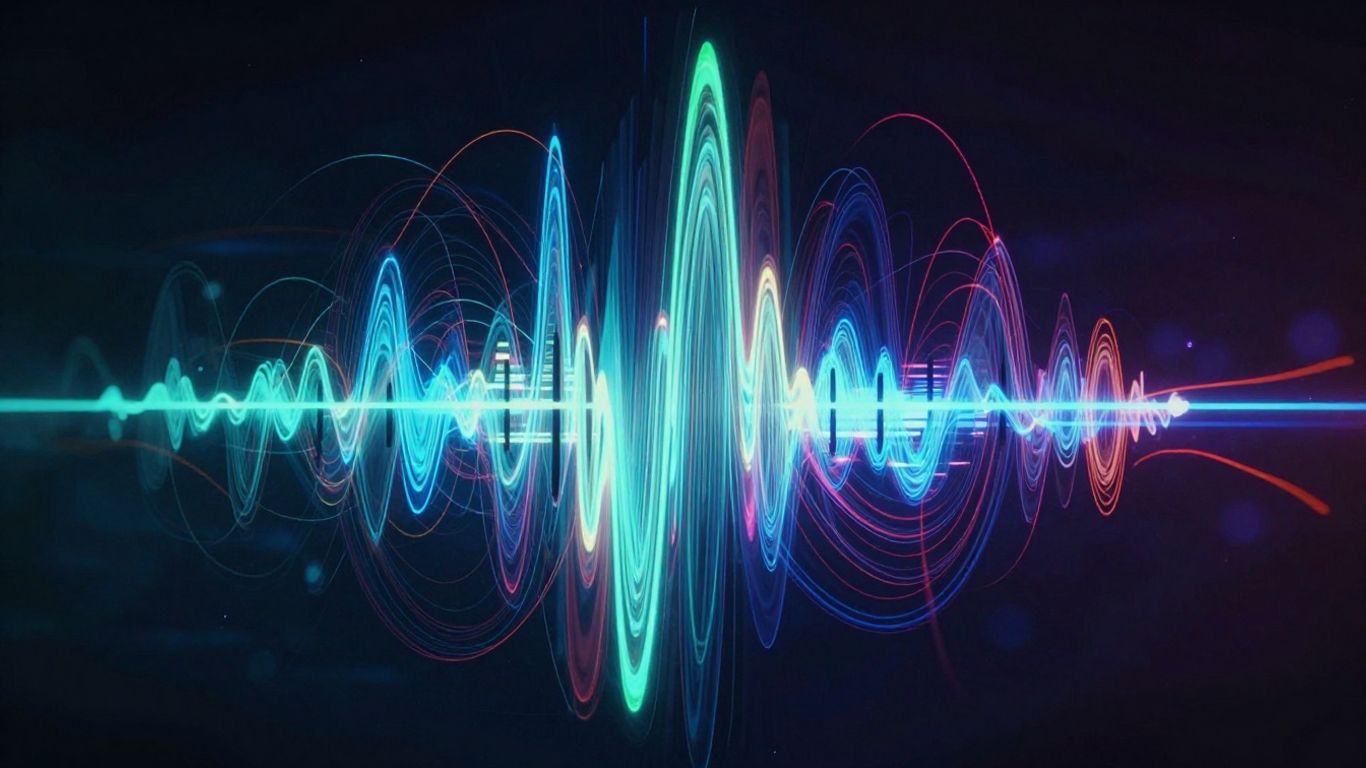
Sound travels as waves. These waves have different frequencies, measured in Hertz (Hz). Lower frequencies have longer wavelengths, and higher frequencies have shorter wavelengths. When you boost a frequency with EQ, you're essentially increasing the amplitude (the height) of the wave at that specific frequency. Cutting does the opposite.
This might seem simple, but it gets complicated fast. When you make an EQ cut or boost, especially with sharp filters, you're not just changing the volume of one frequency. You're also affecting the phase of the sound wave. Phase is like the timing of the wave. If two identical sound waves are out of phase, they can cancel each other out, leading to a weak or hollow sound.
Common EQ Types And How They Work
Most DAWs have a few standard EQ types:
- Parametric EQ: This is your workhorse. It lets you control the frequency, the gain (how much you boost or cut), and the Q (bandwidth or steepness of the cut/boost). A high Q means a narrow, precise cut, while a low Q is a broader, gentler adjustment.
- Shelving EQ: This type boosts or cuts frequencies above (high shelf) or below (low shelf) a certain point. It's great for general tone shaping, like adding air or reducing muddiness without affecting the whole spectrum.
- Graphic EQ: This has a series of sliders, each controlling a fixed frequency band. It's often used for live sound or quick adjustments, but it can be less precise than parametric.
Phase Issues And Why They Matter
When you use a steep EQ filter, like a high-pass filter set very aggressively, it can introduce phase shifts. This means the timing of the sound wave is altered. If you're EQing multiple tracks that are supposed to sound good together, like a bass guitar and kick drum, phase shifts can cause them to fight each other, resulting in a loss of low-end punch.
Think about it: if you cut a lot of low-end from your bass with a steep filter, and that filter shifts the phase, the kick drum's low-end might get partially canceled out when played together. This is why sometimes a gentle EQ cut sounds better than a drastic one, even if you're aiming for the same amount of frequency reduction. You're trading off some precision for better phase coherence.
Practical EQ Tips For Producers
So, how do you use this physics knowledge?
- Listen First: Always start by listening to your track in context with the rest of the mix. What sounds good solo might not work in the full arrangement.
- Cut Before Boosting: Often, making space by cutting problematic frequencies is more effective than boosting others. This helps maintain headroom and avoids phase issues.
- Use High-Pass Filters Wisely: Almost every track can benefit from a high-pass filter to remove unnecessary low-end rumble. But be careful not to cut too high, or you'll thin out the sound.
- Be Gentle With Steep Filters: If you need a sharp cut, be aware of the phase implications. Sometimes a wider, gentler Q is better for overall mix clarity.
- Sweep and Destroy: Find problem frequencies by boosting a narrow Q (high Q) and sweeping through the spectrum. Once you find a nasty resonance, cut it.
- Add Air Carefully: Use a high shelf to add clarity and air, but don't overdo it, or your mix will sound harsh.
Understanding the physics behind EQ isn't about becoming a scientist; it's about making more informed decisions. It helps you troubleshoot why a mix sounds off and gives you the confidence to make adjustments that truly improve your sound.
Skip the rabbit hole — our engineer does the EQ math. $250/track master, $800/song mix.