Is Universal Audio’s A-Type Plugin Another Overpriced Analog Clone?
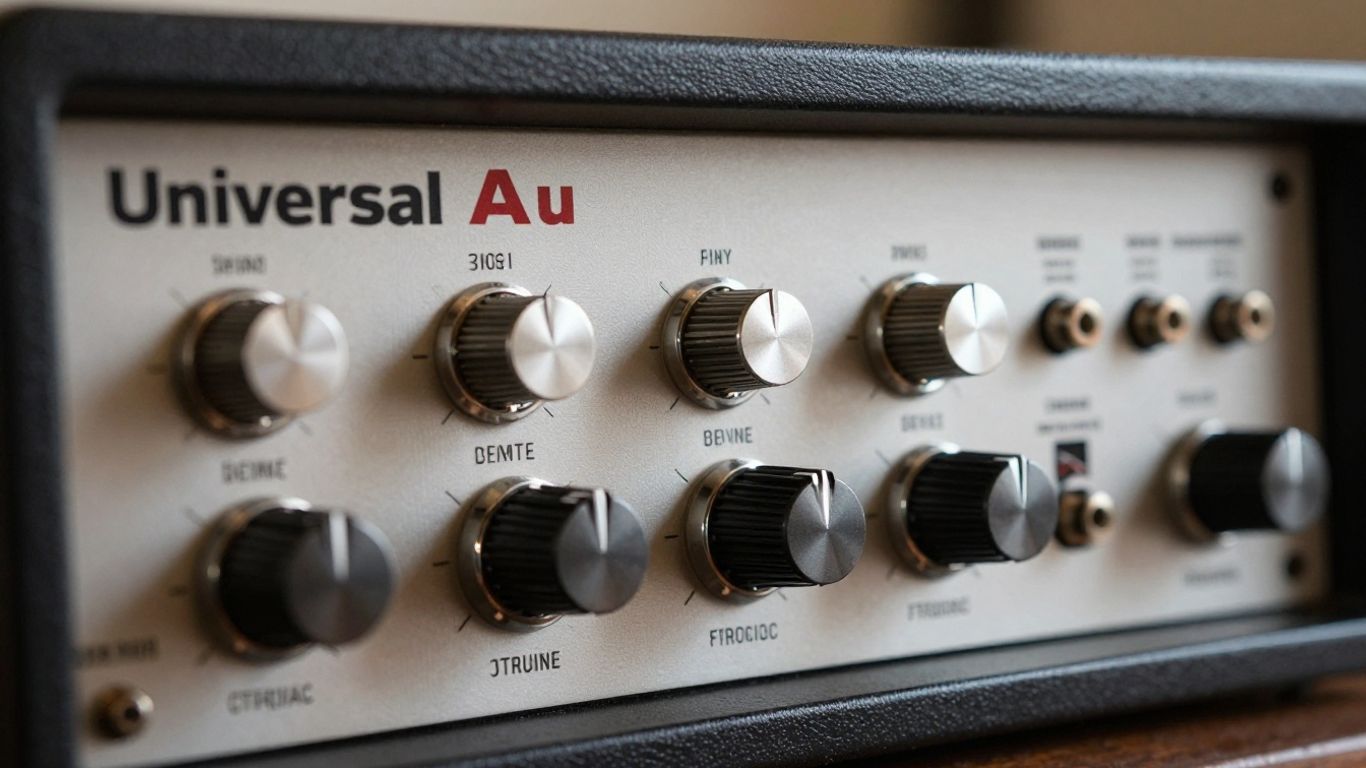
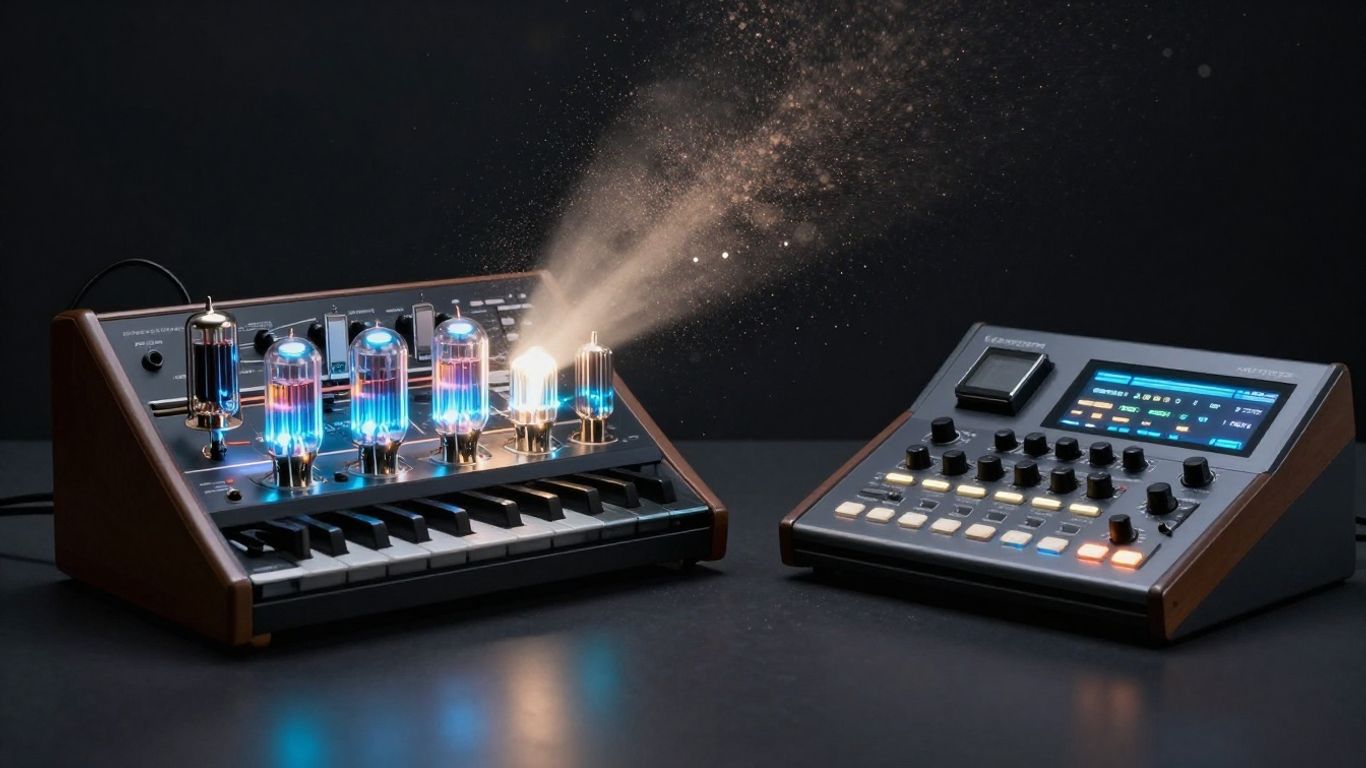
Universal Audio recently dropped their new A-Type plugin, and at first glance, it looks like a vintage piece of hardware from a bygone era. It’s essentially a modern take on old Dolby noise reduction systems. While those original boxes were meant to clean up tape hiss, engineers eventually realized they were secretly great as creative tone-shaping tools. Now, you can run your audio through a digital version of that specific character, but you have to wonder if we really need another "analog-style" plugin cluttering up our sessions.
Key Takeaways
- Replicates the unique transient-shaping and color of vintage Dolby noise reduction hardware.
- Functions as a dynamic multiband enhancer, not just a standard static EQ.
- Features a "fake" analog interface with wood-grain aesthetics that can feel unnecessarily clunky.
- Includes useful modern conveniences like auto-gain and headroom management.
- Easy to overdo; like any exciter, it gets fatiguing to the ears very quickly if pushed too hard.
The reality of analog emulation
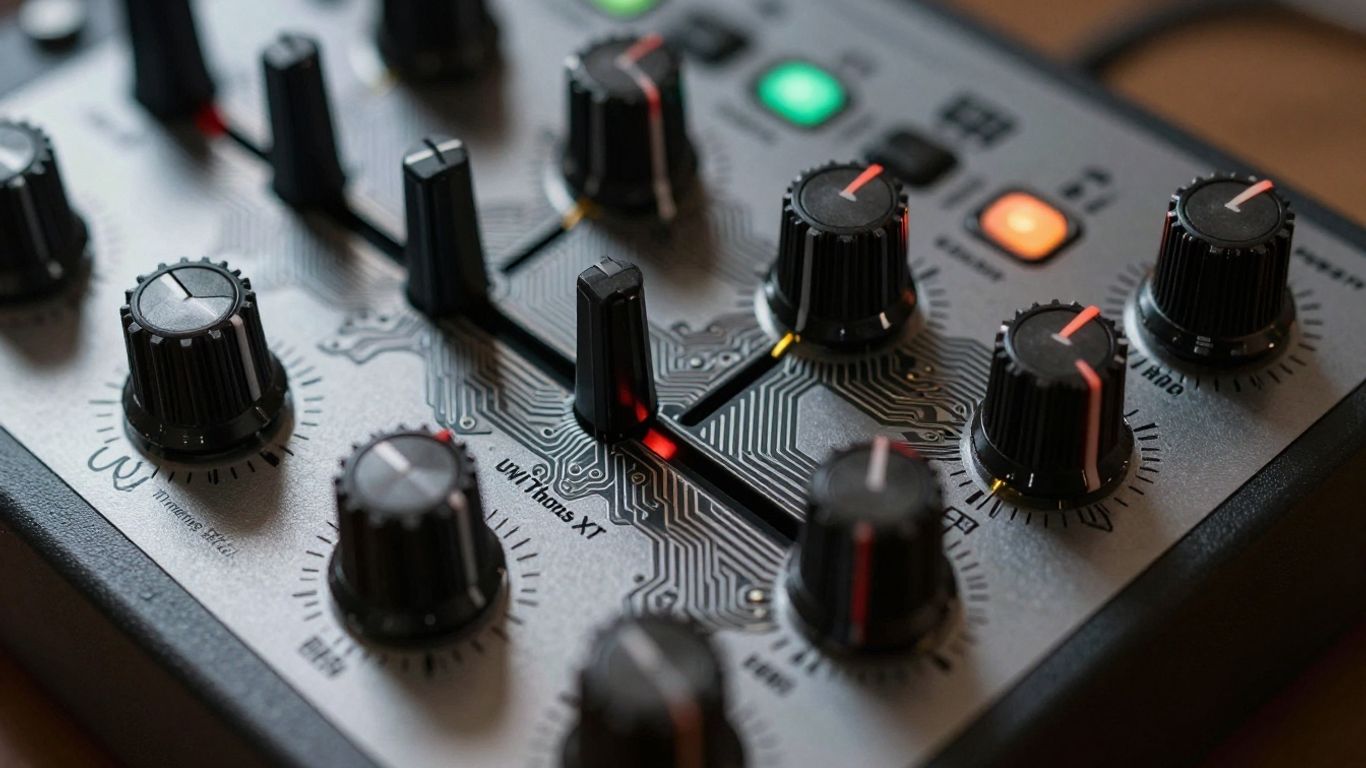
Let’s be honest: the original Dolby boxes never had wood-paneled sides. This design choice is pure marketing. It’s that familiar corporate instinct to make software look like an old rack-mount unit, even when it complicates the workflow. In the digital world, we could have clear, functional knobs and indicators, but instead, we get "analog-inspired" interfaces that hide features behind menus. It feels like a choice made for nostalgia rather than actual usability. That said, once you get past the visual noise, you can actually modify the behavior of the unit, which is where it gets interesting.
How it sounds in practice
When you stop playing with the interface and actually run some audio through it, the result is... interesting. It’s not just a high shelf. Because it’s a dynamic system, the way it pushes frequencies changes based on the signal you feed it. Using the suggested "pencil stripe" setting is a safe starting point, but pushing it reveals that signature saturation. It adds a specific kind of brightness that can sound like a record, though it’s easy to ruin a perfectly good mix if you lean into it too much.
One thing the creators got right is the headroom feature and the auto-gain. In a real-world session at Paradise Studios, we value speed and transparency. Having a plugin that doesn't force you to spend ten minutes rebalancing your faders every time you turn it on is a massive plus. If you use it on separate stems rather than the master bus, you can get some really punchy results.
Structured review
TL;DR Verdict: It’s a niche character tool. If you are looking for that specific vintage "hiss suppression gone wrong" color, it’s a fun toy. If you’re looking for a surgical tool, look elsewhere.
What it does: It’s a dynamic, multiband enhancer modeled after tape-era noise reduction circuits. It adds air, punch, and a distinctive mid-range shift.
| Pros | Cons |
|---|---|
| Unique saturation character | UI mimics analog gear unnecessarily |
| Useful for transient shaping | Can easily destroy a mix if abused |
| Auto-gain saves time | Hidden menus behind "analog" visuals |
| Available natively | Subscription models can get pricey |
Who should buy: Producers who want to add "tape vibe" to digital stems or anyone who loves the specific color associated with 80s and 90s recording chains.
Alternatives: If you already own powerful restoration software like iZotope RX or high-end dynamic EQs, you might already have the tools to pull off similar character-shifting tricks without adding another plugin to your folder.
Final thoughts
At the end of the day, a plugin is just a shortcut. It’s an attempt to capture a sound that used to take a rack of heavy gear and a lot of maintenance. While the A-Type is a capable piece of software, don't let the marketing hype tell you that you need it to make a hit. Focus on the song, keep your workflow simple, and try not to over-process your tracks into oblivion. Or get a human ear on it — $250/track mastering at Paradise, 3 revisions.